
Keep Operations Running Through Every Storm
Commercial snow and ice management services in Lancaster, Massachusetts
Your facility in Lancaster needs to stay accessible no matter what the forecast brings. When snow accumulates across parking lots, roadways, and loading docks, operations slow down and liability increases. Capital Facility Services Corp. provides full-scale commercial snow plowing, de-icing, hauling, and storm response designed for industrial parks, distribution centers, corporate campuses, and utility properties across Lancaster and surrounding areas.
Structured seasonal contracts include 24/7 storm monitoring with rapid deployment to clear lot access, maintain roadway visibility, and treat pedestrian walkways before your team arrives. Equipment capacity is scaled for large parking areas, multi-building facilities, and industrial roads where standard residential equipment falls short. De-icing treatments follow clearing to reduce refreezing, and hauling services remove accumulation when storage space runs out. Detailed documentation is available for property managers and compliance reporting.
Capital Facility Services Corp. can review your site layout and develop a storm response plan tailored to your property in Lancaster.
Heavy-Equipment Snow Removal for Distribution Centers & Industrial Parks
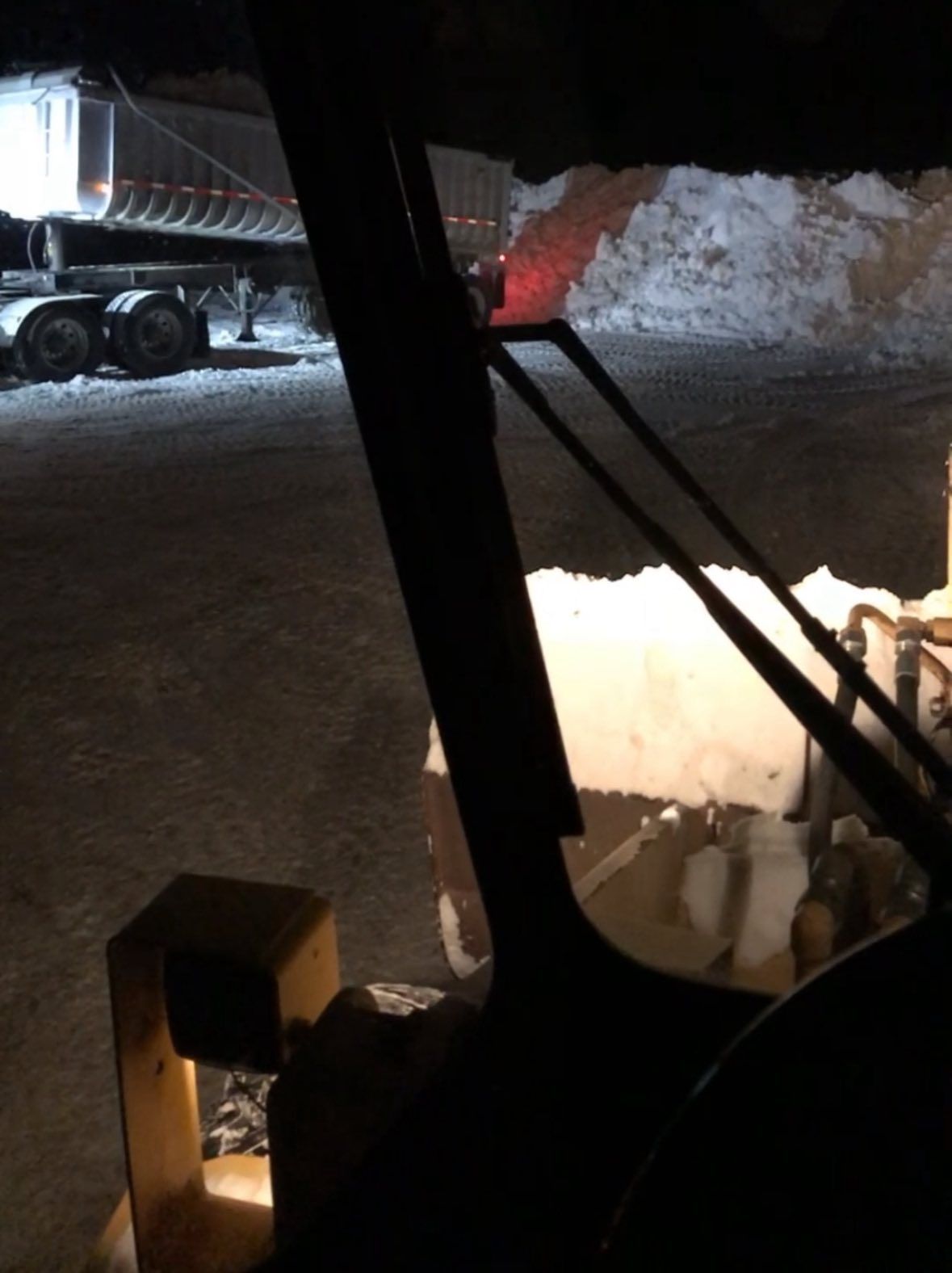
When severe winter weather strikes, standard commercial plowing falls short for high-capacity operational environments. Our fleet is anchored by heavy equipment—including high-capacity wheel loaders and commercial heavy plows—engineered to move mass accumulation rapidly across large surface areas. We don't just clear snow; we execute designated snow-stacking and off-site hauling/relocation plans to keep high-value real estate clear, preserve maximum parking capacity, and ensure zero disruption to supply chain workflows.
What Changes After a Storm Response
Storm response begins with monitoring weather conditions and deploying crews before accumulation blocks access. In Lancaster, this often means pre-treating surfaces overnight and returning at intervals to maintain clearance as snow continues. Plows clear travel lanes and parking rows while loaders push back berms to preserve stacking space. Loading dock approaches and fire lanes receive priority attention to meet safety and access requirements.
After clearing is complete, you will notice defined travel lanes, accessible entry points, and treated walkways where ice formation has been suppressed. Catch basins and drainage inlets remain clear to prevent meltwater pooling. Stacked snow is positioned away from building entries, utility access points, and sight lines.
Hauling services are available when on-site snow storage capacity is reached or when melt and refreeze cycles create ongoing hazards. Coordination with your site operations team ensures that work progresses without blocking active areas or interfering with scheduled deliveries. Documentation includes service logs, material application rates, and timestamps that support your risk management and insurance requirements.
Round-the-Clock Storm Monitoring for Lancaster-Area Facilities
Proactive storm management starts long before snow hits the pavement. Through continuous 24/7 storm monitoring, our site teams track atmospheric metrics, road surface temperatures, and localized precipitation models. This real-time intelligence allows us to dispatch pre-treatment crews before the first flake falls, preventing snow-to-pavement bonding and maintaining surface safety for around-the-clock operations across Central Massachusetts.
Specialized Facility Coverage & Flexible Contract Structure
We tailor our winter management protocols to the specific layout, traffic patterns, and operational demands of complex commercial properties:
- Large Open Parking Lots: High-volume plowing patterns and strategic snow-stacking to preserve space and maintain clear vehicular sightlines.
- Loading Docks & Staging Bays: Priority clearance and heavy de-icing to prevent trailer slippage and ensure uninterrupted freight logistics.
- Multi-Building Corporate Campuses: Integrated clearing covering main roadways, perimeter access, and continuous, non-slip walkway treatment.
- Industrial Parks & Distribution Centers: Continuous clearing designed for heavy truck traffic and 24/7 workforce shifts.
Questions Property Managers Ask Before Signing a Contract
Property managers and facility directors often need to understand how storm response integrates with their existing operations and what triggers deployment. These questions address timing, equipment, and contract structure.
What triggers a storm response deployment?
Deployment is triggered by accumulation thresholds or forecast conditions outlined in your seasonal contract. You can also request service based on site-specific needs or timing requirements.
How quickly does a crew arrive after a storm starts?
Crews are dispatched based on contract priority and storm progression. For properties in Lancaster with 24/7 operations, pre-storm treatments and active monitoring reduce response gaps.
What equipment is used for large parking lots?
Plows, loaders, and skid steers are selected based on lot size and layout. Equipment capacity is matched to your property to handle high-volume clearing without repeated passes.
How are pedestrian walkways treated differently than roadways?
Walkways receive lower-impact de-icing treatments and hand clearing where equipment cannot operate. Salt or calcium blends are applied based on temperature and surface type.
What documentation is provided after each storm?
Service logs include arrival and completion times, material application rates, and areas treated. These records support your compliance reporting and liability documentation.
Capital Facility Services Corp. works with developers, utilities, and property management firms across Lancaster to maintain site access and reduce storm-related downtime. If your property requires seasonal coverage or on-call storm response, contact the team to discuss contract options and site evaluation.